
What you will find in this blog
-
- Woods, biodiversity and who we are Biodiversity in danger
-
- Reasons to care about biodiversity – especially mental wellbeing Nature reserves, Biodiversity and Engagement
-
- Why Nature Reserves?
Lüneburg (Germany)
Gainesville (USA, Florida)
- Why Nature Reserves?
-
- And now you!
-
- More detailed and interesting information
Woods, biodiversity and who we are
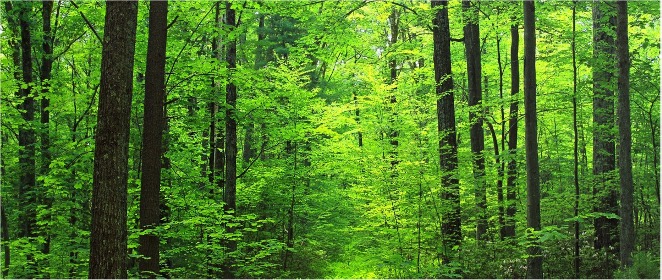
In Japan, forest bathing is embedded in society (Tsunetsugu et al., 2009). Many cultures have a deep connection with their environment and willingness to protect it, especially but of course not exclusively, forests (Kanowski & Williams, 2009; Gould et al., 2014).
What type of environment do you feel a close connection to?
Recent studies have shown that spending time in the woods can be beneficial for yourmental health. One reason can be that forests are hotspots for biodiversity and biodiversity has proven to have a positive effect on human wellbeing (World Health Organization: WHO,2015; Lee et al., 2017).
The good news is you can improve your quality of life with something as simple as going for a walk through a biodiverse area. The bad news is that we are currently facing a drastic decline in species richness. According to estimations, the rate of extinction today is between 1,000 and 10,000 times stronger than what experts call the background extinction rate, which is the rate of extinction that would be present if it were not for us humans (WWF,n.d.).
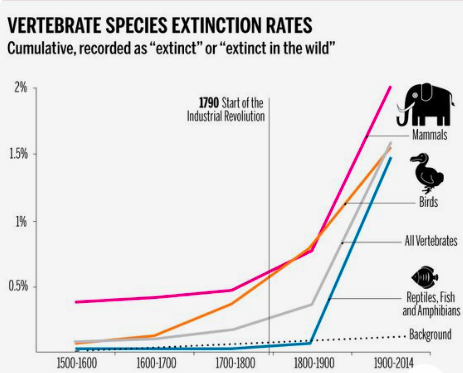
Graphic of: Vertebrate extinction rate. By Amanda Shedruk, CEballos et al. Sci.Adv.
Find on:Infographic: Charting the world’s sixth mass extinction (macleans.ca)
This blog highlights the importance of biodiversity and the threats it faces, while also showcasing the efforts being made to protect species in Lüneburg, Germany and Gainesville, Florida in the United States.
Join us on a journey to these protected areas as we delve into the measures being taken to preserve biodiversity and why it should matter to you personally.
Who are we?
We are Emma and Yanniels, students at Leuphana University in Lüneburg, Germany. Weworked together with students from Gainesville, Florida and Presidente Prudente in Brazil. Emma is interested in climate politics and is convinced that the only correct representation of biodiversity in literature is “Dragon Rider – The Griffin’s Feather” by Cornelia Funke 🙂 (Dragon Rider – The Griffin’s Feather · Cornelia Funke – The Official Website, n.d.).
Yanniels is a political scientist. Looking at the statement of Linda Krueger “the collapse of ecosystems will threaten the wellbeing and livelihoods of everyone on the planet” and knowing how political the topic biodiversity can be, he is aware that the issue of biodiversity must be taken seriously in politics.
Biodiversity in Danger
First of all let’s explore what biodiversity is. According to an international definition, biodiversity refers to the variety of species, including the genetic diversity within species, and the diversity of habitats and ecosystems (National Academies Press (US), 1999). Biodiversity is a worldwide recognised factor which plays a role in the SDGs (SustainableDevelopemnet Goals) like SDG 15 “life on land” or SDG 14 “life below water” (Goal 15: Life OnLand – The Global Goals, 2024; (Goal 14: Life Below Water – The Global Goals, 2024). With an estimated number of species ranging from 3 to 100 million, our planet is home to an incredible variety of life forms (Ritchie, 2022). Did you know that?
q=YToxOntzOjEyOiJrZXl3b3JkX3R5cGUiO3M6MzoiYWxsIjt9&bmode=view&idx=8846637&t=board
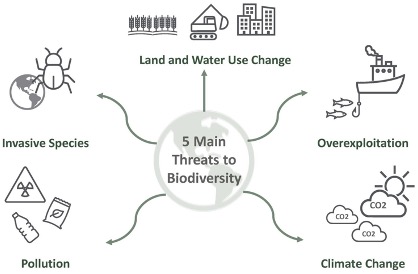
But this diversity is under threat. Biodiversity loss disrupts ecosystems and risks valuable species used for medicine and food. It poses a risk for air quality and other ecosystem functions. In this sense, we can state that by destroying our biodiverse environment we would destroy ourselves. (Greenpeace UK, 2024) Experts have unveiled five key factors which lead to a human driven loss of biodiversity:
-
- Change of land and sea use, occurs due to human activities such as agriculture, urban development, mining, and overfishing. These are detrimental to biodiversity on land and sea, leading to habitat loss and fragmentation.
-
- Invasive species, which are non-native species, disrupt ecosystems by outcompeting native species for food and habitat, leading to declines in native populations.
-
- Overexploitation refers to the unsustainable harvesting of animals and plants, depleting populations and pushing some species to the brink of extinction.
-
- Pollution, caused by the rapid addition of substances to the environment, poses serious threats to biodiversity. It negatively impacts exposed organisms, leading to health problems, high mortality rates, and reproductive issues that can endanger species survival.
-
- Climate change, closely linked to global warming caused by human activities like burning fossil fuels, alters the Earth’s climate. Greenhouse gas emissions enhance the atmosphere’s absorption and trap energy, influencing temperature and precipitation patterns.
(Greenfield & Weston, 2023)
Reasons to care about biodiversity – especially mental wellbeing
Are you familiar with the fact, that globally the burden of mental illness is increasing? As the prevalence of and costs associated with mental illness rise, we are progressively more aware that environmental issues such as climate change and biodiversity loss impact on human health (World Health Organization: WHO, 2023).
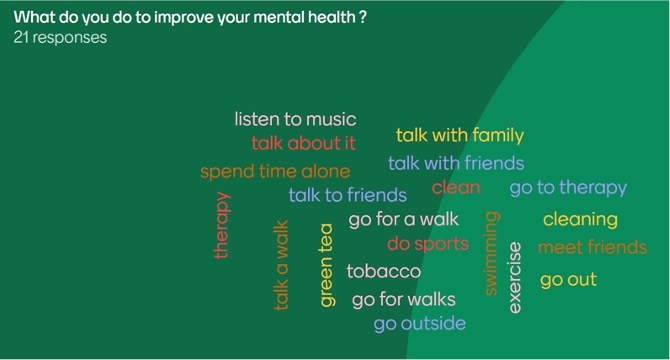
We have probably all experienced the benefits a trip to the forest can have. Many studies have recently shown evidence of the link between biodiversity and mental well-being. A major Dutch study in 2009 examined the medical records of 350,000 people. It found that good health, and mental health in particular, decreases with the distance between home and urban parks. Beyond 400 meters, there is a greater risk of psychiatric diseases. It was followed by research conducted at the University of Chicago which found that the presence of trees nearby reduces the risk of cardiovascular disease, diabetes and taking antidepressants. Over a third of our peers certainly agree.
Still, the question remains: how can we protect biodiversity?
This is where protected areas and nature reserves play a crucial role. We will take a look at one example from Germany andfrom the USA.
Nature reserves, Biodiversity and Engagement in Lüneburg and Gainesville(Florida)
Why Nature Reserves?
Protected areas and nature reserves are specially designated geographic areas managed with the aim of long-term nature conservation. Traditionally, protected areas focused on safeguarding exceptional sites or iconic species. However, their purpose has evolved to encompass a broader range of ecological and social challenges. Nowadays, the management of protected areas involves addressing complex issues related to both the natural environment and the well-being of local communities. This shift recognizes the interconnectedness of ecological and social factors in achieving successful biodiversity conservation. (Urbano et al., 2023)
Lüneburg(Germany)
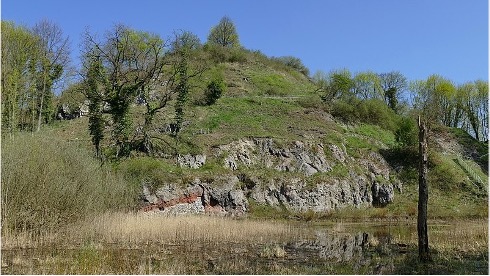
Now I want to share a more personal story. Living in Lüneburg, I am lucky enough to have the possibility to go for a stroll in various protected areas. For one there are parts of the Lüneburg Heath nearby, which are under a protection status.(Der Naturpark LüneburgerHeide, n.d.) Staying in the city I could go for a walk on the Kalkberg (NaturschutzgebietKalkberg, n.d.). My experiences of taking time to rest my mind in nature can explain why the topic of biodiversity lies so close to my heart. To me, strolling through a place where you can hear the buzzing of insects and the wind in the treetops, birds singing in the early evening is inflicting a very special kind of peace. Having seen burned down forests or woods that died of the bark beetle alarmed me. That is why I am so interested in making youaware of places like the Kalkberg. It is home to a variety of species, animals and plants. Even though there are biodiversity strategies by the European Union as well as by the GermanFederal Government the hands-on work is mainly facilitated by the local authorities, and environmental groups (European Commission, n.d. ; Biodiversity Strategy For 2030, 2024) .There are different degrees of protection zones (Deutscher Alpen Verein, 2023). The Kalkberg belongs to a rather low status, in German called “Naturpark” it aims to protect biodiversity but at the same time to promote tourism.(Bundes Amt für Naturschutz, n.d.; Nds. Landesbetriebfür Wasserwirtschaft, Küsten- und Naturschutz, 2010).
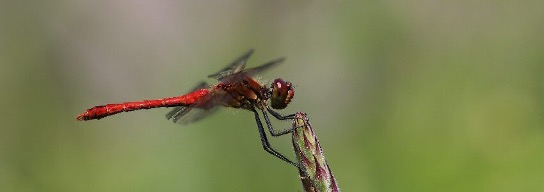
The nature reserve contains diverse habitats, including sand, dry grasslands, wetlands, and beech forests. These habitats provide a home to various plant species, includingendangered ones such as the Marsh Helleborine and Greater Butterfly-Orchid. The areaalso provides a home for insects with a plethora of grasshoppers, crickets, and butterflies. Bird enthusiasts can spot species like the Nightingale and Black-Headed Gull. Amphibians like the Common Frog thrive in the wetlands. Another animal species you might spot at the reserve are goats, the BUND (German friends of the Earth) uses them to clear off vegetation. (BUND, n.d.-a; Landkreis Lüneburg, n.d.) The implimentation of the Kalkberg nature reserve dates back to 1932 and the efforts of the Lüneburg building councilor Eduard Schlöbcke. (Friedrich, 1989)
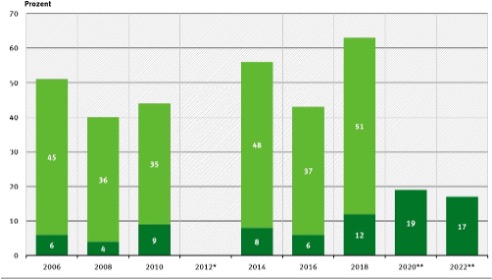
In a poll conducted in 2022, 17 percent of Germans were active in environmental and nature conservation, a number that has drastically increased since 2006. If you now want to be active and volunteer, you can look for regional groups of environmental organizations. In Lüneburg the local group of the BUND offers activities, such as clearing vegetation,butterfly monitoring, hay harvest, and cleaning goat stables. (Wilke, 2023; BUND, n.d.-b)
Percentage of the German population actively involved in environmental and nature conservation (or can imagine engaging in such activities)
dark green – participation; light green can imagine engaging in such activities